
If your hip pain has progressed to the point where walking and sleeping are affected and conservative treatment no longer works, total hip replacement (THA) is a well-established, definitive solution. For international patients considering China, two facts are worth knowing up front. First, hip replacement is performed at very high volume in China and the technique is mature; major teaching hospitals routinely offer minimally invasive approaches including the direct anterior approach (DAA). Second, China's national volume-based procurement of artificial joints, launched in 2021, cut the average hip implant price from about ¥35,000 to around ¥7,000 — directly lowering overall treatment costs. All-in THA costs for international patients at leading Chinese hospitals typically fall in the US$8,000–18,000 range, roughly one-third of typical US self-pay prices (US$32,000–55,000+).
This guide covers indications, implant selection, cost breakdown, surgical technique, hospitalization and recovery timelines, and the fastest pathway for international patients.
When Hip Replacement Is Needed
Hip replacement is not a first-line treatment; it is for joints whose structure is already severely damaged. Common indications include:
Late-stage osteoarthritis: worn-out cartilage with persistent pain, rest pain and sleep disturbance
Avascular necrosis (osteonecrosis) of the femoral head once collapse has begun
Inflammatory joint diseases such as rheumatoid arthritis damaging the hip
Early osteoar secondary to developmental dysplasia of the hip (DDH)
Certain femoral neck fractures in older adults
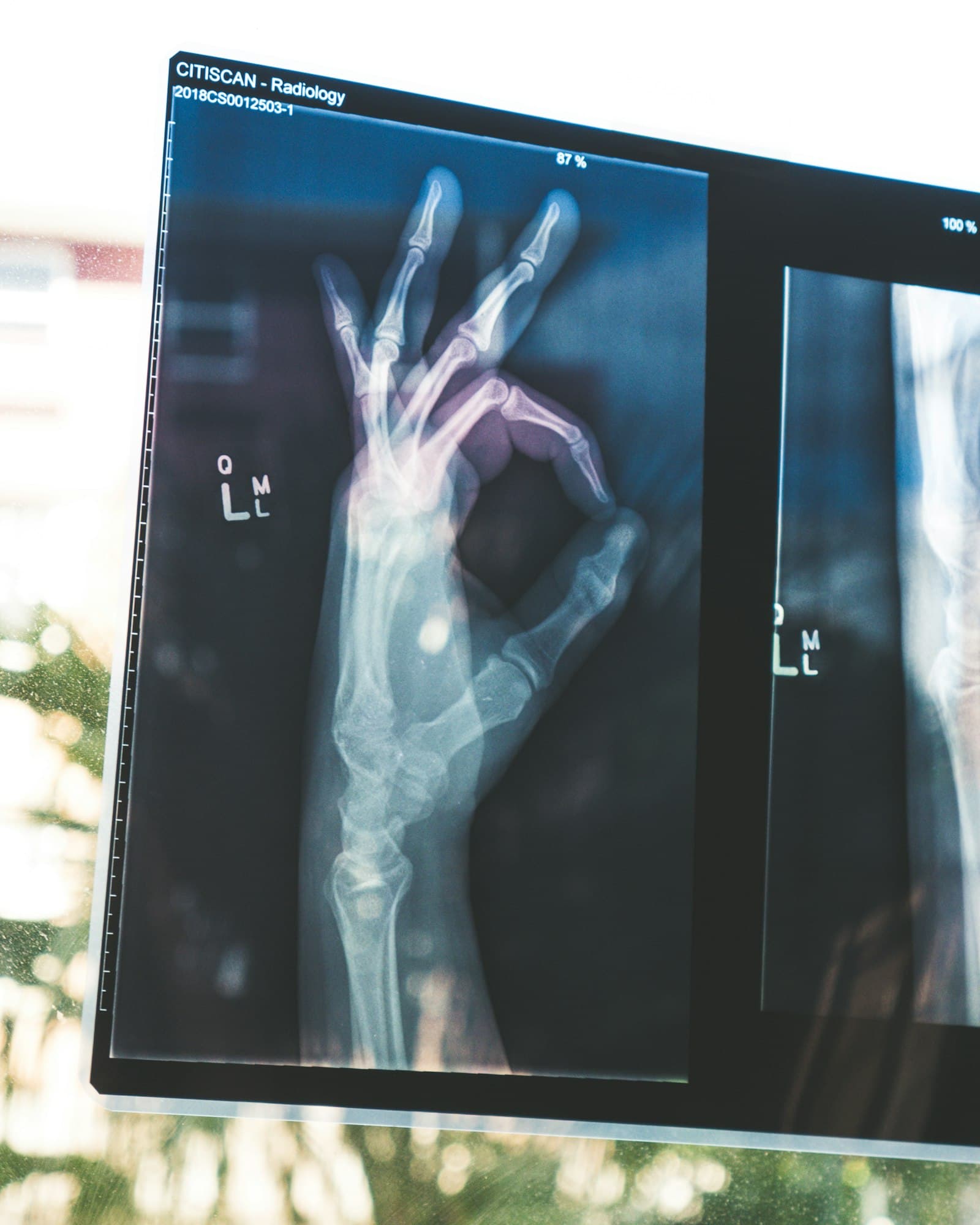
The decision criteria are broadly the same worldwide: pain and functional limitation that persist despite medication, physiotherapy and weight management, together with imaging showing severe joint space narrowing or bone damage. Whether to operate is ultimately a decision made with an orthopedic surgeon based on imaging and physical examination.
National Procurement: How Implant Prices Fell from Tens of Thousands to Thousands
This is the key background for understanding joint replacement costs in China. In September 2021, China's National Healthcare Security Administration held the first national volume-based procurement round for artificial joints in Tianjin. Hip and knee implant prices fell dramatically, with results taking effect in public hospitals from 2022.
| Implant type | Average price before procurement | Average price after procurement | Reduction |
|---|---|---|---|
| Hip implant | ~¥35,000 | ~¥7,000 | ~80% |
| Knee implant | ~¥32,000 | ~¥5,000 | Over 80% |
Two caveats. Procurement prices apply to winning implants used in public hospitals (both domestic and multinational winning brands cut prices sharply). If you self-pay for an imported model that did not participate, the implant portion costs more — but the overall package price remains far below Western levels. For domestic patients, the total cost of a single hip replacement is now generally below ¥50,000.
Imported vs Domestic Implants: How to Choose
Mainstream implants in China fall into two groups:
Multinational brands: Zimmer Biomet, Stryker, DePuy (Johnson & Johnson), Smith+Nephew — very large global usage and long-term registry data, at higher prices
Domestic brands: Chunli, AK Medical, Weigao and others — several have won procurement contracts and are now widely used in public hospitals, with strong value for money and rapidly growing surgical volumes
For both groups, modern bearing surfaces come in three main combinations:
Ceramic-on-ceramic (CoC): the best wear resistance, suited to younger, high-activity patients, with very small risks of ceramic fracture and squeaking
Ceramic-on-highly-crosslinked-polyethylene (CoPE): a well-balanced combination of wear resistance and toughness, one of the most widely used today
Metal-on-polyethylene: a classic, lower-cost combination suited to older, lower-demand patients
The right choice depends on age, activity level, bone quality and surgeon experience. There is no single "best" implant — only the option that fits your individual situation. Our total hip replacement procedure page explains implants in more detail.
All-In Costs: Public International Departments vs Private Hospitals
What international patients actually pay depends on hospital type, implant brand, room class and whether rehabilitation is included. Typical market ranges (prices vary by hospital and condition; for reference only):
| Hospital type | All-in cost (implant, surgery, hospitalization) | Characteristics |
|---|---|---|
| Public top-tier (3A) international departments | ~¥50,000–120,000 (US$7,000–17,000) | The mainstream choice: high surgical volumes, best value |
| Premium private/international hospitals | ~¥100,000–150,000+ (US$14,000–21,000+) | Mostly imported implants, VIP wards, Western-style service |
For comparison: US self-pay hip replacement typically totals US$32,000–55,000 or more; uninsured private treatment in Australia runs about AUD 30,000–50,000+ (roughly US$20,000–33,000), while the free public system often involves waits exceeding a year. Even with flights and 3–4 weeks of local accommodation added, treatment in China usually saves more than 60%. Knee replacement follows a similar cost structure — see our knee replacement cost breakdown.
Surgical Technique: Minimally Invasive and the Direct Anterior Approach
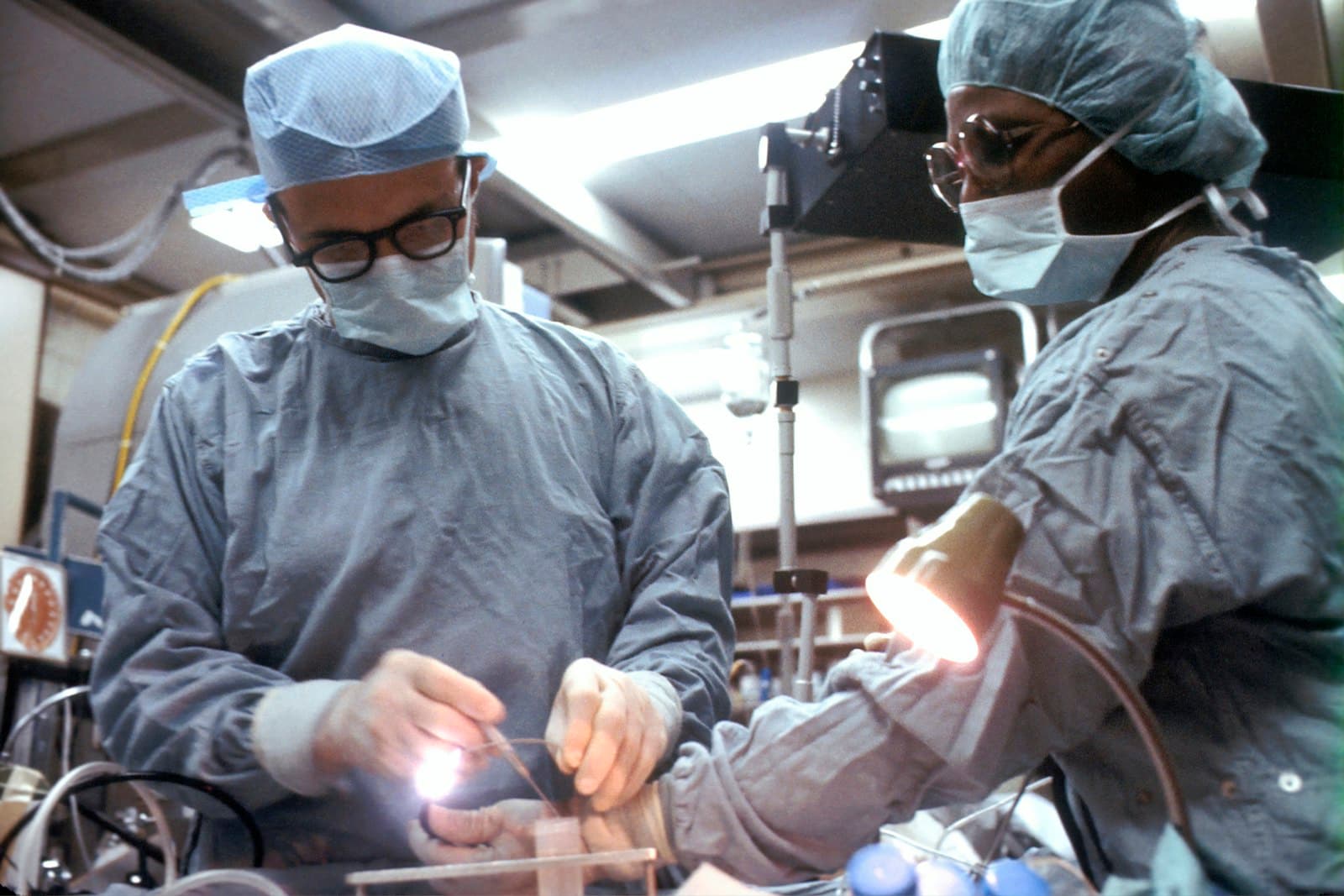
Surgical approach directly affects early recovery. The direct anterior approach (DAA) works between muscles without cutting major muscle groups, which in theory means less soft-tissue trauma and an easier start to walking. It has spread quickly in recent years, both globally and across large Chinese hospitals — many top-tier hospitals in China now routinely run DAA training courses and surgeries, and in 2021 Shanghai completed China's first robot-assisted minimally invasive hip replacement.
To be honest about the limits: DAA has a learning curve and not every surgeon uses it. The traditional posterior approach remains a mature, reliable mainstay in many centers with equally good long-term results. Surgeon volume and experience matter more to outcomes than the approach itself. Some hospitals also offer robotic navigation to improve implant positioning accuracy, though whether it is used depends on the specific case and equipment.
Hospitalization and Recovery Timeline
The typical pathway at leading Chinese hospitals:
Pre-operative workup: blood tests, cardiopulmonary assessment and imaging completed within 1–2 days of arrival
Surgery: the operation itself usually takes 1–2 hours
Hospital stay: generally 3–7 days; most patients stand and walk with a walker within 1–2 days after surgery
Early rehabilitation: weeks 2–6, transitioning from walker to cane and resuming indoor and outdoor walking
Basic recovery: most patients resume daily activities and low-impact exercise by weeks 6–12
Full recovery: muscle strength and final function continue improving for 3–6 months
The quality of post-operative physical therapy largely determines your ceiling of recovery. For details, see our post-surgery orthopedic rehabilitation guide.
Risks and Limitations: What to Know Honestly
Hip replacement is a mature operation, but like anywhere else it carries risks: infection, dislocation, deep vein thrombosis, mild leg-length discrepancy and periprosthetic fracture — low in incidence but not zero. Modern implants are generally expected to last 15–20 years depending on activity and physiology, and younger patients may face one revision surgery in their lifetime.
Also note: China's 240-hour visa-free transit policy does not cover medical treatment, so international patients need an appropriate visa arranged in advance (we help prepare the medical invitation documents). Avoid flying home too soon after surgery — we recommend budgeting 2–3 weeks in China for recovery and follow-up.
The Fast Track for International Patients
Bed capacity and surgeon schedules at Chinese public hospitals are tight, and arranging everything on your own is slow and complicated. With an established service pathway, timelines compress dramatically:
Before travel: submit records and imaging → remote consultation to confirm plan and quote → medical visa
On arrival: pre-operative tests within 1–2 days → surgery typically scheduled within 1–2 weeks (subject to hospital scheduling)
After surgery: 3–7-day hospital stay → rehabilitation plan → discharge follow-up and remote reviews
For the full step-by-step process, see our orthopedic treatment process guide.
How to Get Started
If you or a family member are considering hip replacement in China, we suggest these steps:
Compile recent hip X-rays, CT or MRI scans and medical records (in English or Chinese)
Submit them through MyMedVia — we will arrange a remote evaluation with the orthopedic team of a partner top-tier hospital, including a treatment plan, implant recommendation and all-in quote
Once you confirm the plan, we assist with the visa invitation letter, surgery scheduling, airport pickup, interpreter accompaniment and the post-operative rehabilitation plan
Start from our contact page; initial evaluation replies usually arrive within 1–2 business days. Transparent pricing and a plan confirmed up front are the two most effective ways to manage the risks of cross-border care.
This article is general information and does not constitute medical advice. Treatment decisions should follow the in-person diagnosis of a qualified physician.