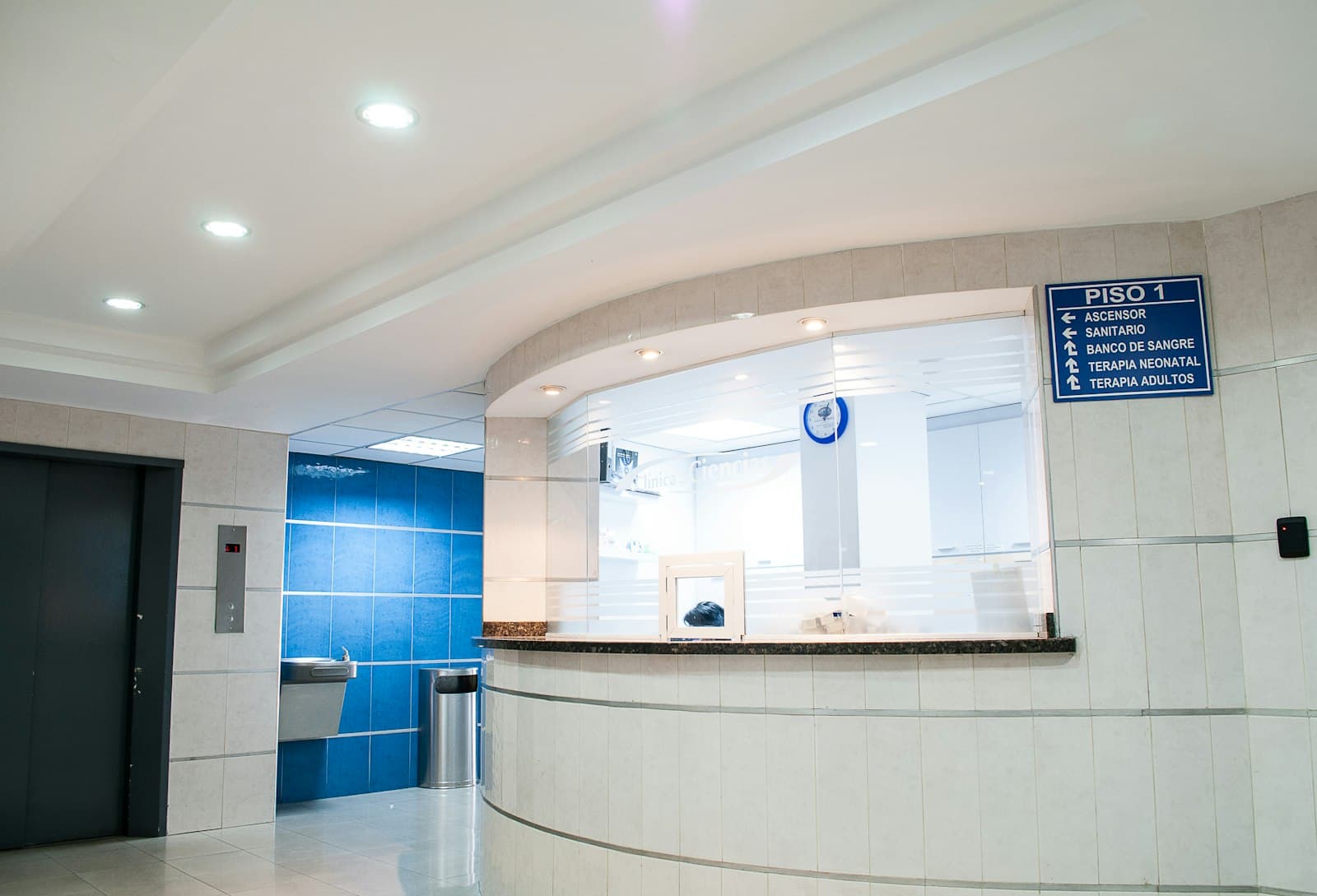

Staying in a Chinese tertiary (3A) hospital is a very different experience from a hospital stay in the US or Europe: wards are tiered by price, family members are usually expected to help with care, a deposit is collected on admission, and the discharge summary is in Chinese by default. None of this means "poor service" — it is how the Chinese healthcare system runs. Understanding it makes your stay smoother and your budget more predictable. Using concrete price ranges and processes, this guide covers ward types, the caregiving system, meals and visiting, deposits and discharge, so international patients can plan ahead and avoid surprises.
First, Understand: Regular, VIP and International Departments
Most Chinese 3A hospitals split inpatient resources into tiers: regular wards serve local and insurance-paying patients at the lowest prices, while VIP and international departments offer better rooms, easier processes and more comfortable communication — billed mainly through self-pay or commercial insurance. We explain this structure in detail in our article "China's Healthcare System Explained: Grade 3A, International Departments, JCI," which is worth reading first.
Ward Types and Bed Fees
| Ward type | Typical setup | Bed fee reference (per night) |
|---|---|---|
| Regular ward | 3–6 beds per room | Tens of RMB (about US$5–10) |
| Regular single/double room | Private bathroom | About ¥100–500 (US$15–70) |
| VIP ward | Mostly single rooms | From several hundred RMB |
| International department / VIP | Single rooms or suites | Several hundred to over a thousand RMB (from about US$70–280), suites higher |
A few notes: the bed fee is a small share of the total bill — treatment, medication and tests dominate it. In commercial insurance policies, around ¥500 per night is commonly used as the reimbursement cap for a private room. International department charges are generally outside basic social insurance and are paid out of pocket or through commercial insurance; some international medical centers have direct-billing agreements with dozens of insurers. Overall, international-department single rooms at several hundred to a thousand-plus RMB per night are the common range, and a few hospitals now offer very large VIP suites at higher prices.
The Caregiving System: China's Most Distinctive Feature
In Western hospitals, nurses and nursing assistants handle most daily care. In Chinese hospitals, nurses focus on medical tasks (IV drips, medication, monitoring), while feeding, washing and toileting support is usually provided by family members or a hired caregiver (hugong). This reflects China's lower nurse density: by the end of 2025 there were about 4.5 registered nurses per 1,000 population nationwide, versus roughly 9–10 in the US and more than 11 in Japan.
Three common arrangements:
Family companion: one relative registers for a companion pass and stays in the ward; most hospitals allow this and provide fold-out beds or recliners.
Hired caregiver: a one-on-one caregiver costs about ¥300–500 per day (about US$40–70) in tier-1 cities and from about ¥200 in smaller cities; intensive or post-surgical care costs more. Quality varies, so book through hospital-recommended channels.
"No-companion" wards: since 2025, tertiary hospitals in Shanghai and elsewhere have piloted wards where hospital-employed nursing assistants provide 24-hour care, so family need not stay; pilot reports say families save over ¥10,000 (about US$1,400) per month in companion-related costs.
Visiting: regular wards usually have fixed visiting hours and limits on visitor numbers, with stricter ICU rules; the pandemic-era practice of "one companion per patient, no unnecessary visitors" persists at many hospitals. Rules differ by hospital — just confirm with the nurses' station on admission.
Meals and Daily Life
Most large hospitals run a nutrition department or in-house canteen that delivers meals to wards; you order via bedside QR code, mini-program or phone, with therapeutic diets for diabetes and post-surgery needs. Daily meals are mainly Chinese food; Western options and special diets (such as halal) are usually limited, though international departments do better. Patients can generally bring some outside food, but use of heating appliances depends on hospital rules.
Deposits and Payment
Chinese hospitals generally run a deposit system: you prepay a deposit on admission (commonly from several thousand RMB, depending on surgery and hospital), top it up when charges approach the limit, and settle at discharge with refunds or extra payments — keep every deposit receipt. International patients should note two things: international departments generally do not settle through basic social insurance (self-pay or commercial insurance instead), and some accept a Letter of Guarantee issued by your insurer in place of a deposit. If you have commercial insurance, confirm direct-billing or reimbursement arrangements with both insurer and hospital before admission.
Discharge and Getting Your Records
At discharge the doctor issues a discharge summary, covering discharge date, days hospitalized, discharge diagnoses (with ICD codes), condition at discharge and follow-up instructions — the core document for insurance claims and follow-up care back home. Two caveats:
The summary is in Chinese by default, and most hospitals do not proactively provide certified English versions. For international insurance claims you usually commission a certified translation agency to translate and stamp it, or ask the international department in advance whether it can supply English materials.
Medical record copies are generally available about 7–14 working days after discharge (some hospitals suggest applying 15 days after), charged around ¥1 per page, with your passport as ID; if someone collects records for you, a power of attorney is required.
China vs. Western Hospitals at a Glance
| Aspect | Chinese 3A hospital | Common Western practice |
|---|---|---|
| Rooms | Mostly multi-bed; singles cost extra | Mostly single/double rooms |
| Daily care | Family or hired caregiver | Nurses and nursing assistants |
| Payment | Deposit upfront, settle at discharge | Billed afterwards / insurer direct |
| Pace | Fast scheduling of tests and surgery; short consultations | Appointment-based, longer conversations |
| Paperwork | Chinese by default | Local language or English |
This comparison is not about better or worse: China's strengths are short waits for tests and surgery and highly execution-focused staff; Western strengths are automation and communication time. Knowing the differences honestly is the best way to manage expectations. For a real day-by-day account, read our "The 7-Day Hospital Experience: What International Patients Go Through, Day by Day."
Practical Preparation Checklist
Confirm ward type, bed fee and deposit, and get a written cost estimate;
Decide the care plan: family companion, hired caregiver, or a no-companion ward;
Prepare a passport copy, past records and a medication list (with English translations);
Confirm insurance direct billing or a Letter of Guarantee, and keep every payment receipt;
Learn the visiting and companion-pass rules and brief your accompanying family.
How to Start
MyMedVia coordinates the whole inpatient journey for international patients in China: ward selection and cost estimates, interpreting and accompaniment, deposit and direct-billing communication, certified translation of discharge summaries and more. Contact us for personalized advice. For the day-by-day process, see "The 7-Day Hospital Experience"; for system background, see "China's Healthcare System Explained: Grade 3A, International Departments, JCI"; and for an international-department example, see our Ruijin Hospital Shanghai page.
This article is general information and does not constitute medical advice. Follow your hospital's rules and your doctor's instructions for specific arrangements.